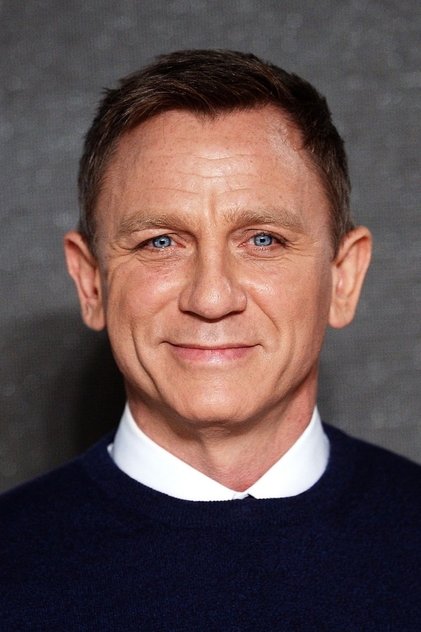
Daniel Craig
The Bond who redefined the character for the 21st century
The Rebooted Bond
Daniel Craig revolutionized James Bond, delivering a complete reboot that returned to the character’s origins and redefined him for the 21st century. His tenure brought unprecedented critical acclaim, emotional depth, and box office success to the franchise.
The Controversial Choice
When Craig was announced as Bond in 2005, the response was mixed - he didn’t fit the traditional Bond mold, being blond and more rough-hewn than his predecessors. However, his performance in Casino Royale (2006) silenced critics and proved he was perhaps the perfect Bond for the modern era.
Key Characteristics
- Physicality: The most athletic and physically imposing Bond
- Brutality: Brought raw, visceral action to the role
- Vulnerability: Showed Bond’s emotional wounds and traumas
- Depth: Created a fully developed character arc across five films
- Intensity: Portrayed Bond as a blunt instrument being forged
Bond Films
- Casino Royale (2006) - A groundbreaking reboot showing Bond earning his 00 status
- Quantum of Solace (2008) - Immediate continuation dealing with grief and revenge
- Skyfall (2012) - Exploring Bond’s past and facing mortality
- Spectre (2015) - Connecting all previous films and confronting Blofeld
- No Time to Die (2021) - An emotional conclusion to Craig’s arc
A Complete Story
Craig’s five films tell a complete, interconnected story - the only Bond era to do so. From earning his 00 status in Casino Royale to his ultimate sacrifice in No Time to Die, audiences watched Bond evolve, suffer, love, and ultimately find redemption. This narrative continuity was unprecedented for the franchise.
Critical and Commercial Triumph
Craig’s Bond films achieved both critical and commercial success to a degree rarely seen in the franchise’s history. Skyfall became the highest-grossing Bond film ever (until adjusted for inflation), and Casino Royale is frequently cited as one of the best Bond films of all time.
The Human Bond
Craig’s interpretation showed Bond as a real person with genuine emotions. He could be hurt, both physically and emotionally. His Bond fell in love, experienced loss, showed vulnerability, and faced the consequences of his violent life. This emotional honesty made Bond more relatable than ever before.
Physical Commitment
Craig brought extraordinary physical commitment to the role, performing many of his own stunts and maintaining peak physical condition. His fight scenes were brutal and realistic, his chases were exhausting, and his presence was genuinely intimidating. He made Bond a formidable physical specimen.
Legacy
- Rebooted and modernized the franchise
- Brought unprecedented critical acclaim
- Created a continuous five-film character arc
- Made Bond emotionally complex and vulnerable
- Delivered multiple box office records
- Influenced action cinema beyond Bond
- Gave Bond a definitive ending
The Emotional Journey
From the cocky agent who earns his license to kill, through devastating heartbreak, professional failure, resurrection, and finally to his ultimate sacrifice, Craig’s Bond experienced the full spectrum of human emotion. His willingness to show weakness made Bond’s strength more impressive.
Skyfall’s Renaissance
Skyfall (2012) marked a creative renaissance for the franchise, combining Roger Deakins’ stunning cinematography, Sam Mendes’ direction, and Craig’s nuanced performance to create a Bond film that transcended the genre and earned serious critical respect.
The Definitive End
Craig’s Bond was the first to receive a definitive conclusion, with No Time to Die providing closure to his story. This bold choice demonstrated the franchise’s willingness to take risks and gave Craig’s tenure a sense of completion that honored both the character and the actor’s commitment.
Daniel Craig transformed Bond from a cool archetype into a fully realized, complex character, proving that Bond could evolve while remaining essential. His legacy is a franchise reinvigorated and respected, ready for whatever comes next.